Sky meets Earth.

SONY DSC   SONY DSCSONY DSC   SONY DSCSONY DSC  SONY DSC  SONY DSCSONY DSC   SONY DSC

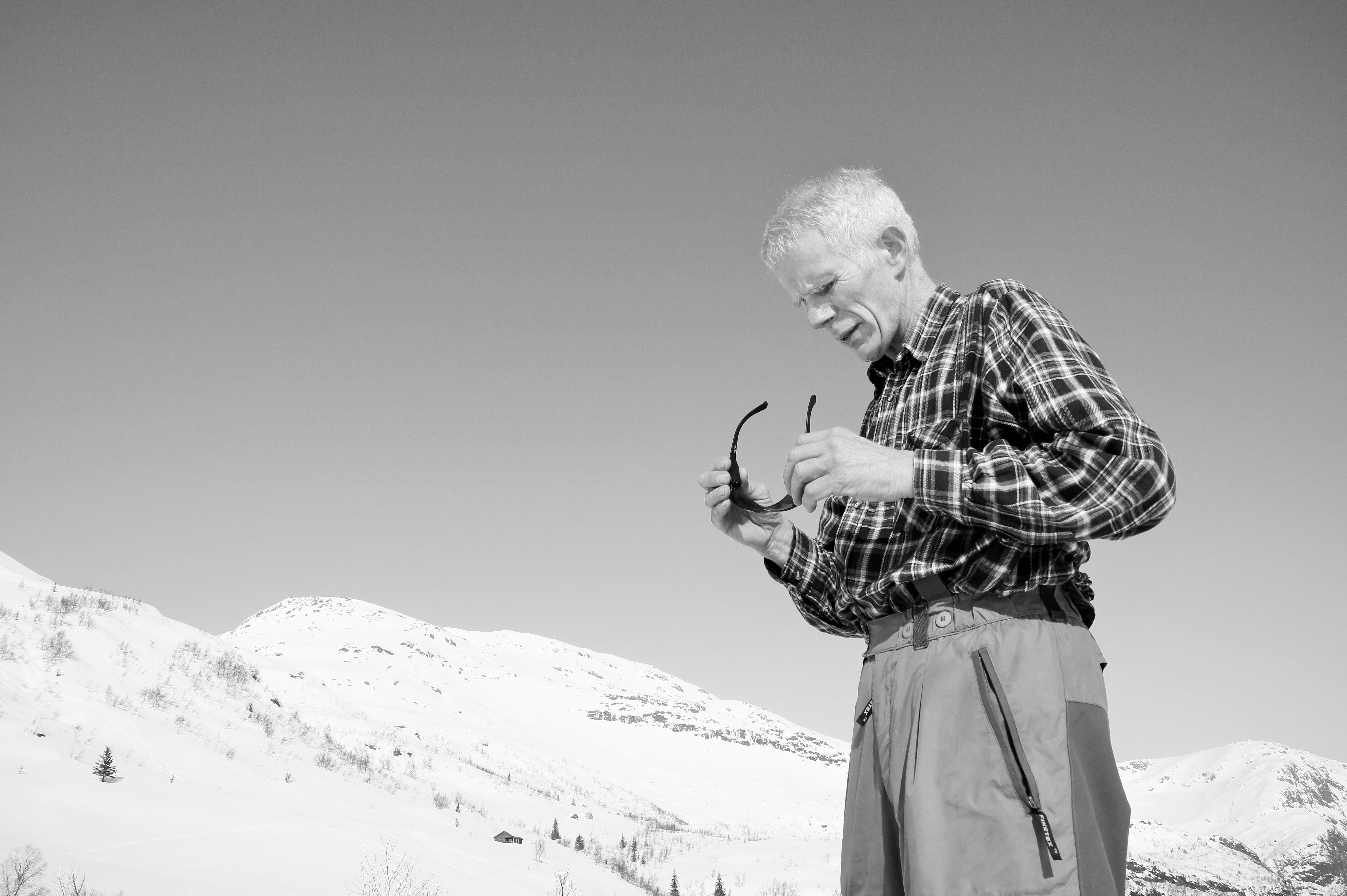
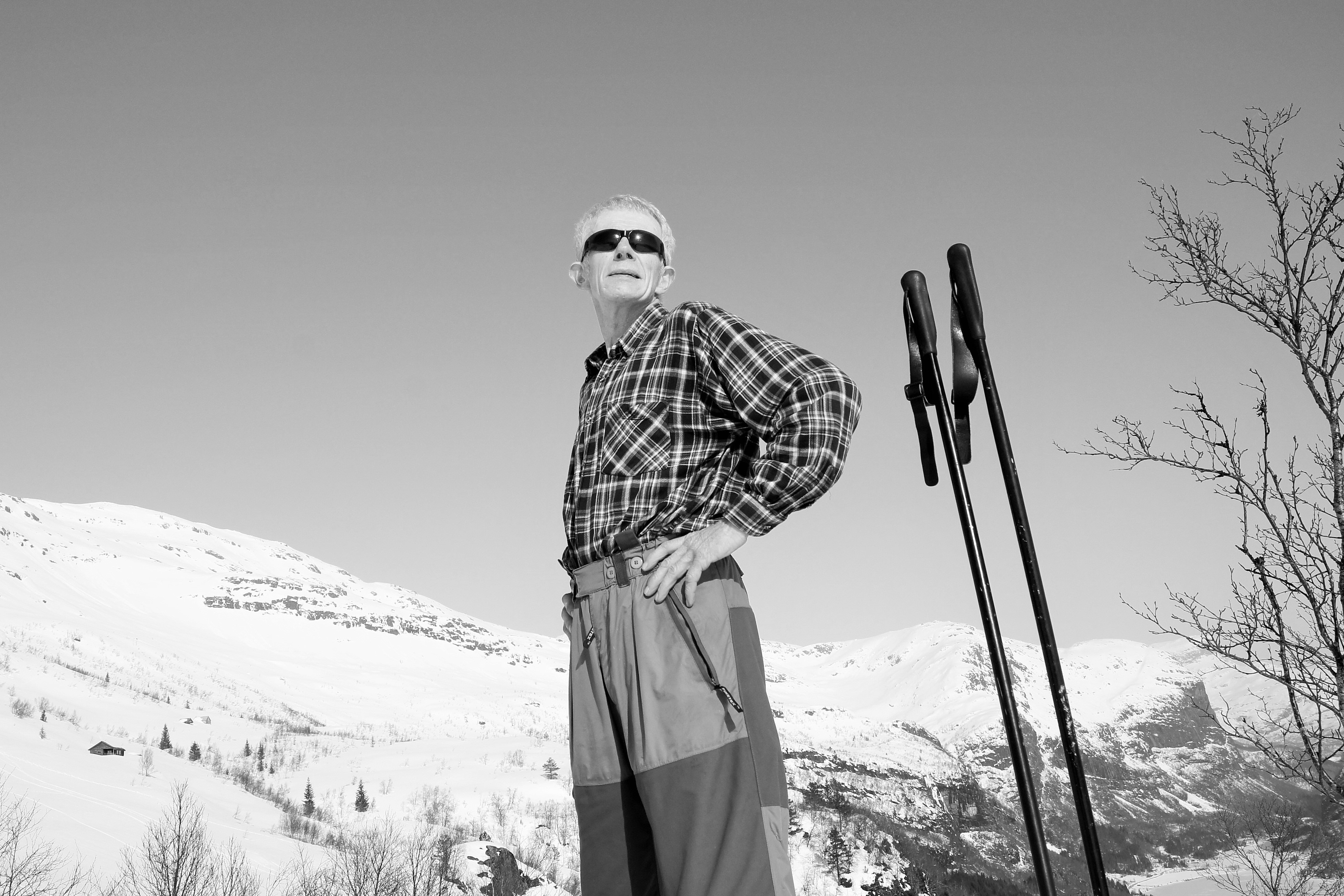
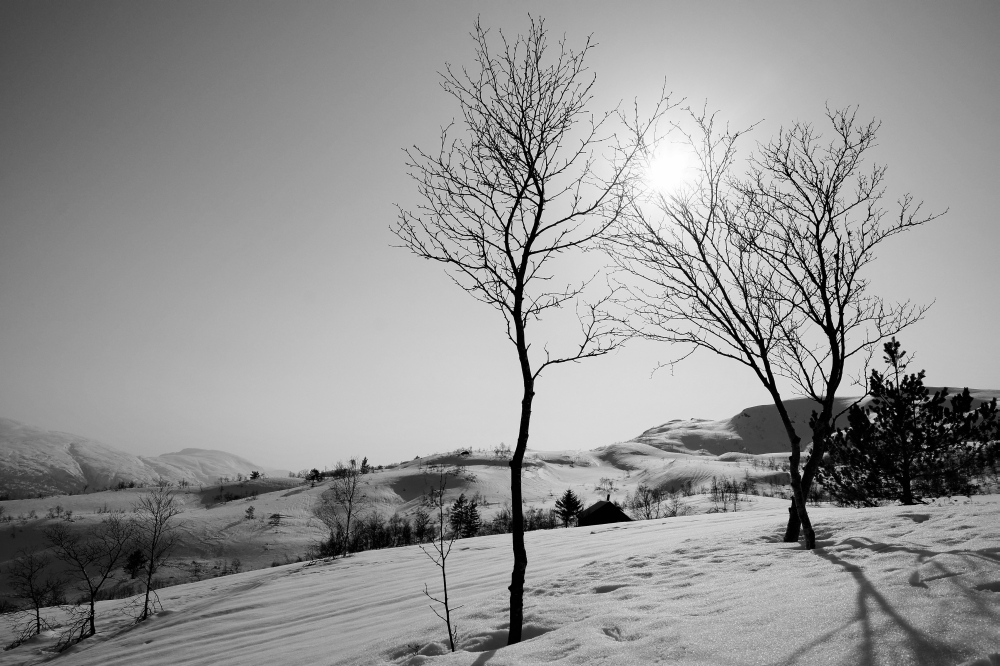
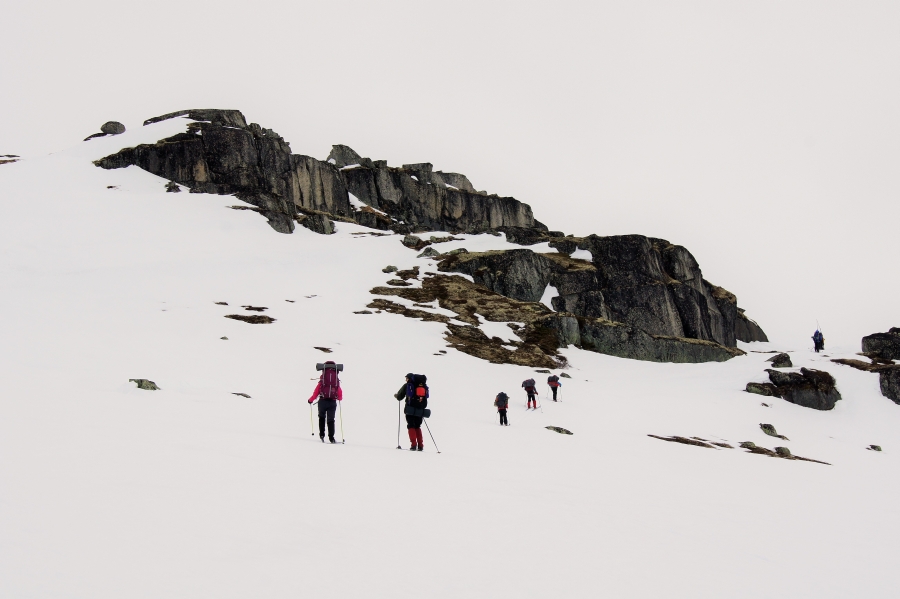
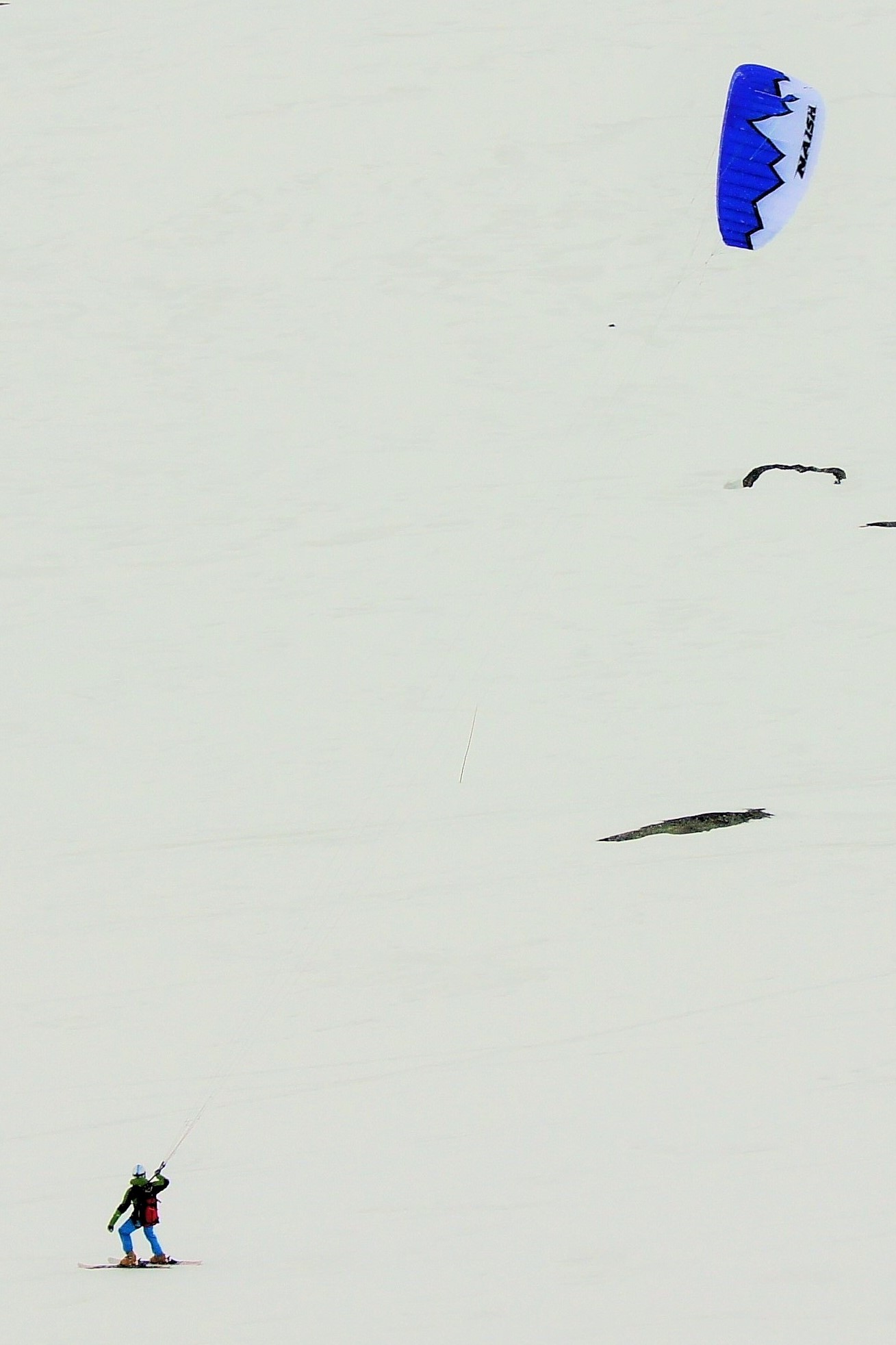
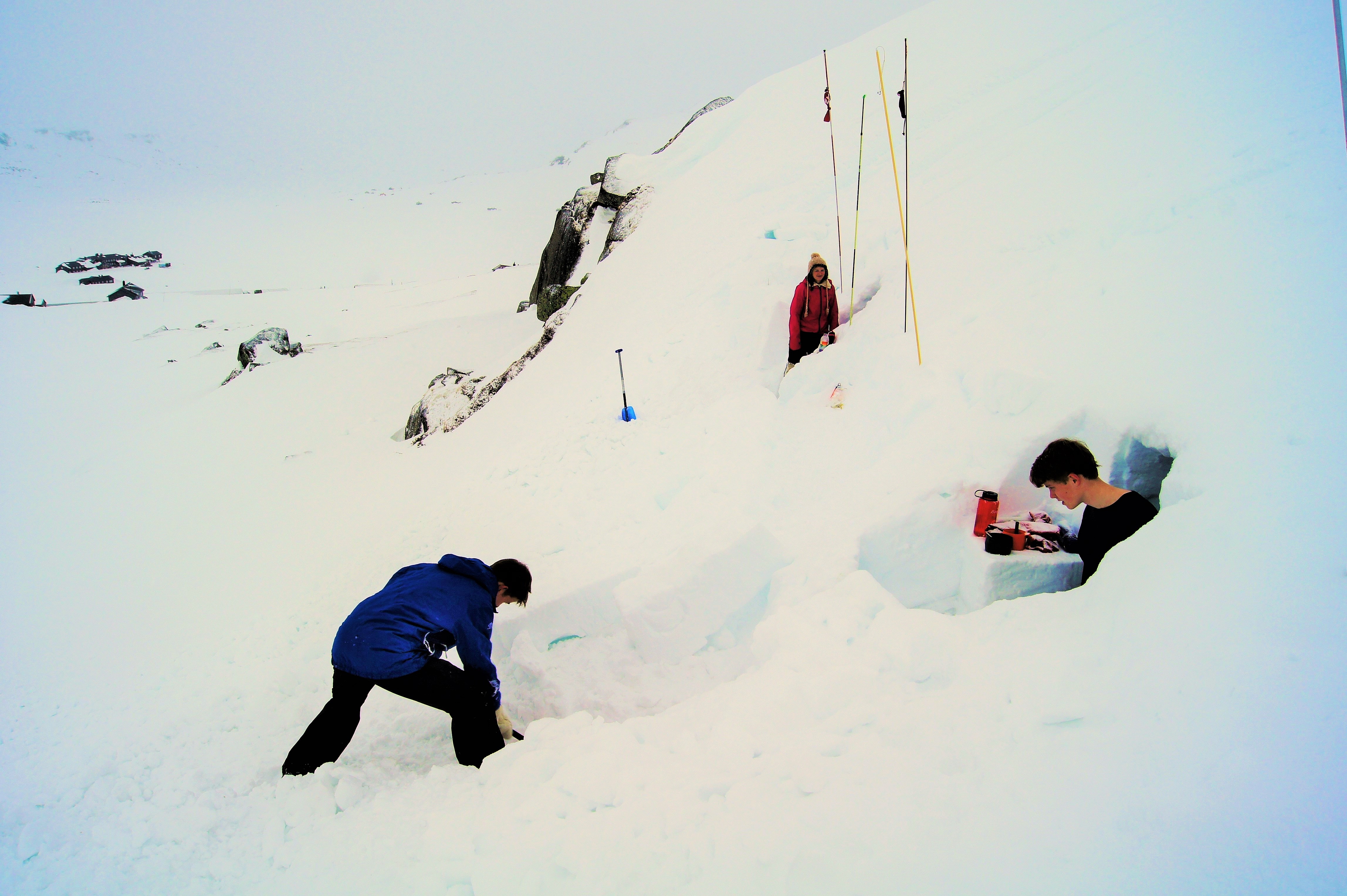
At 1222 metres above sea level, Finse in Norway lies at the highest point on the railway between the city of Bergen in the west and the Norwegian capital Oslo in the east. Finse is a favoured location for both winter and summer activities.

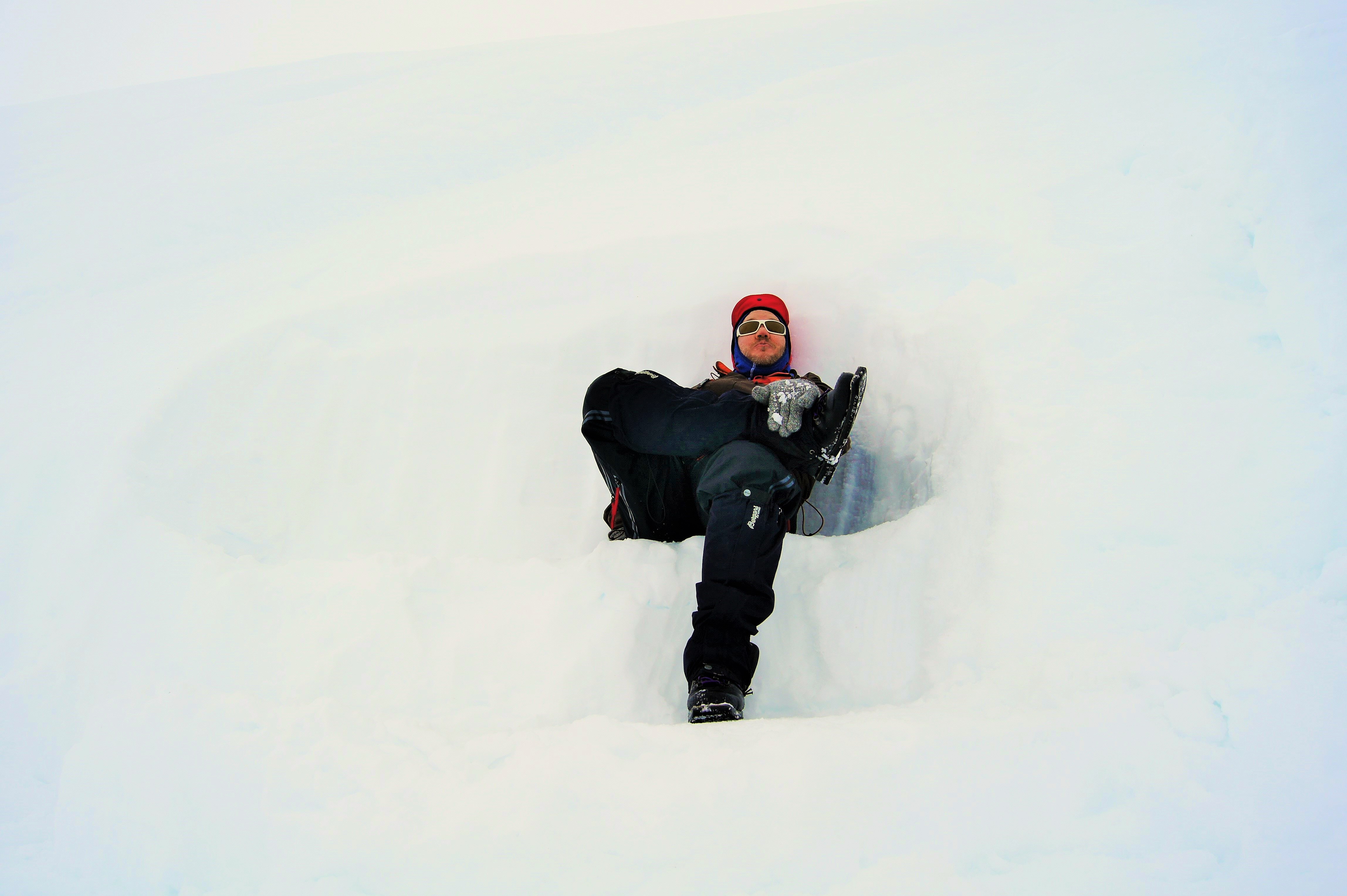
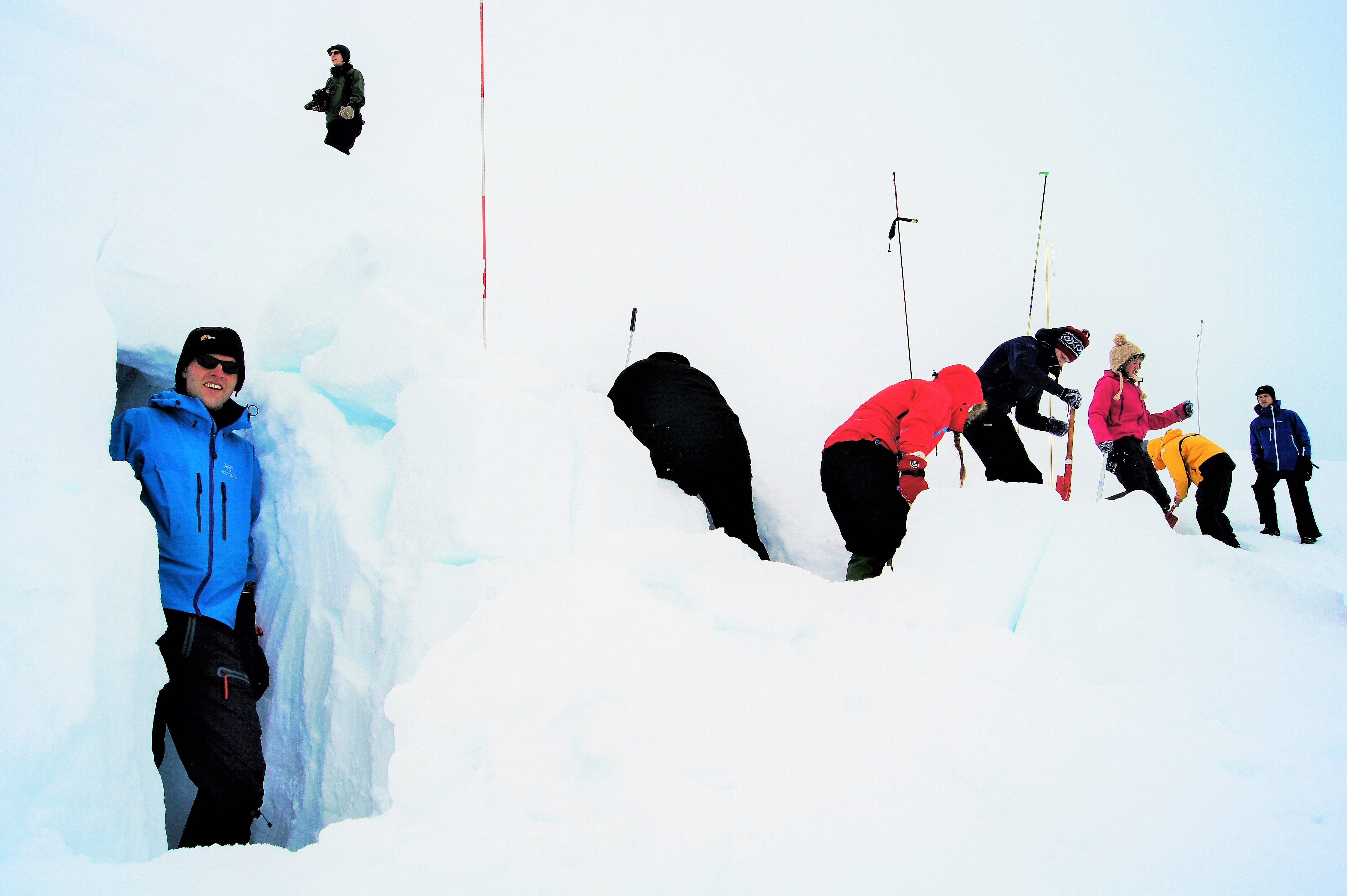
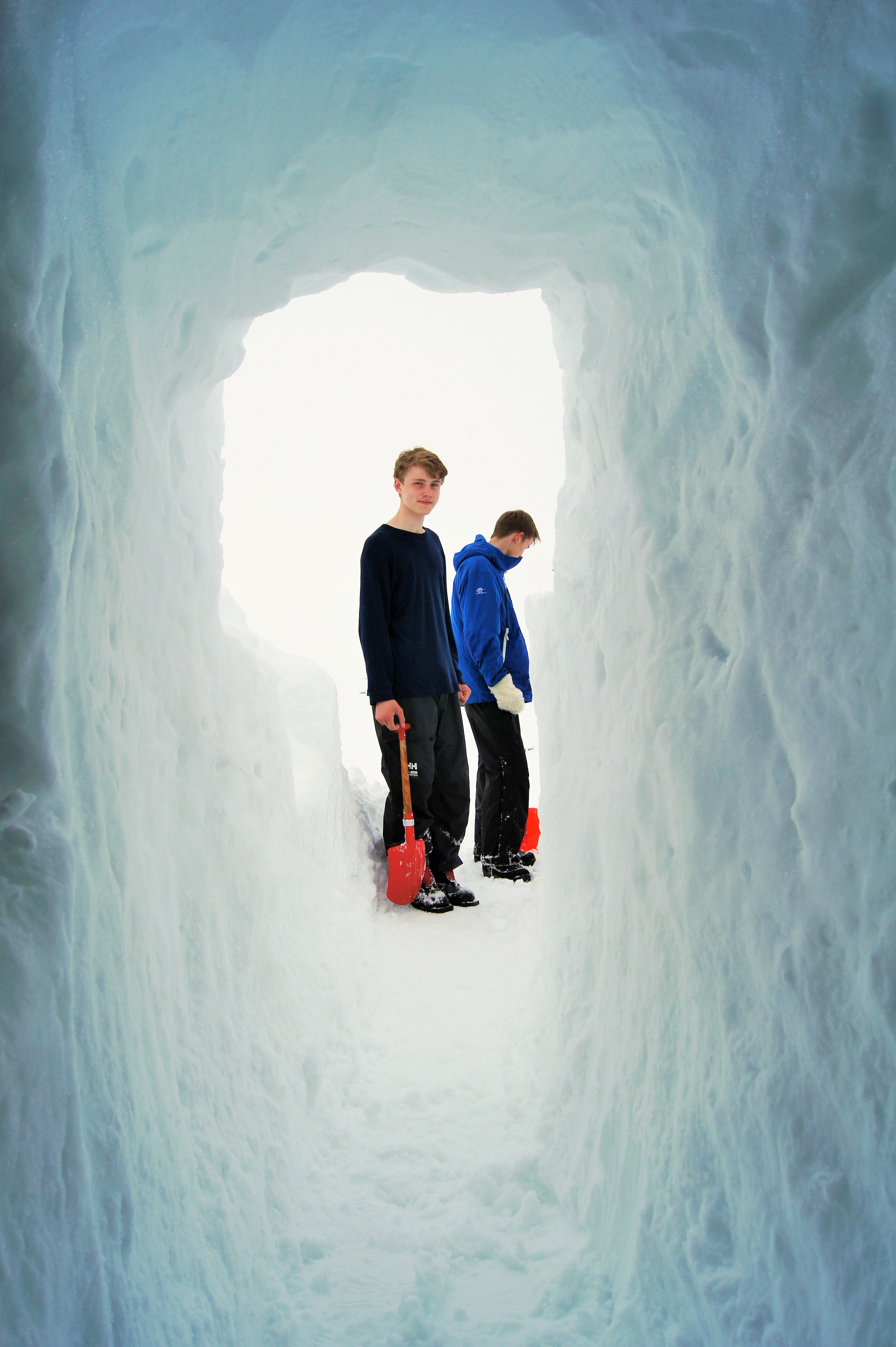
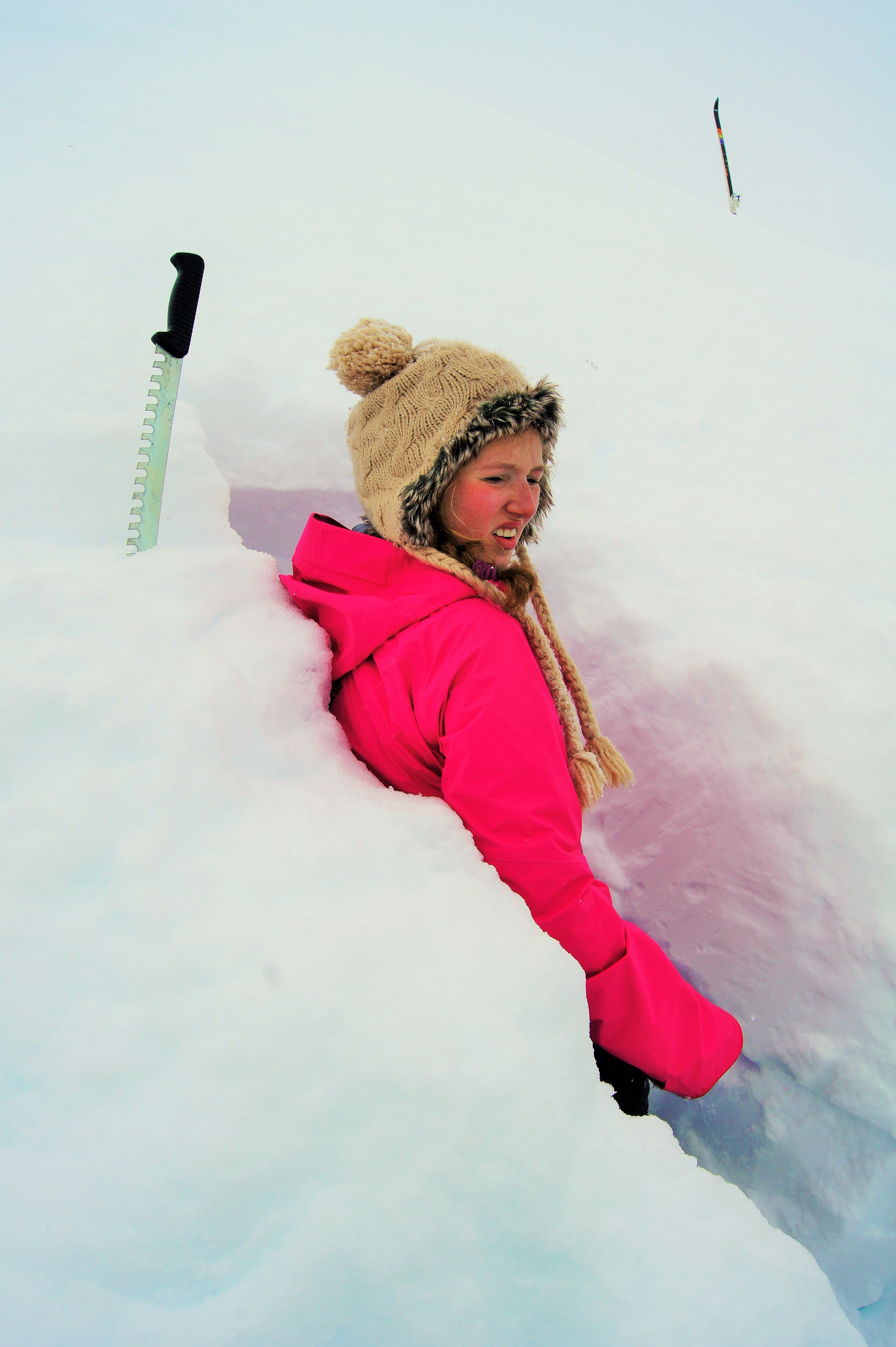
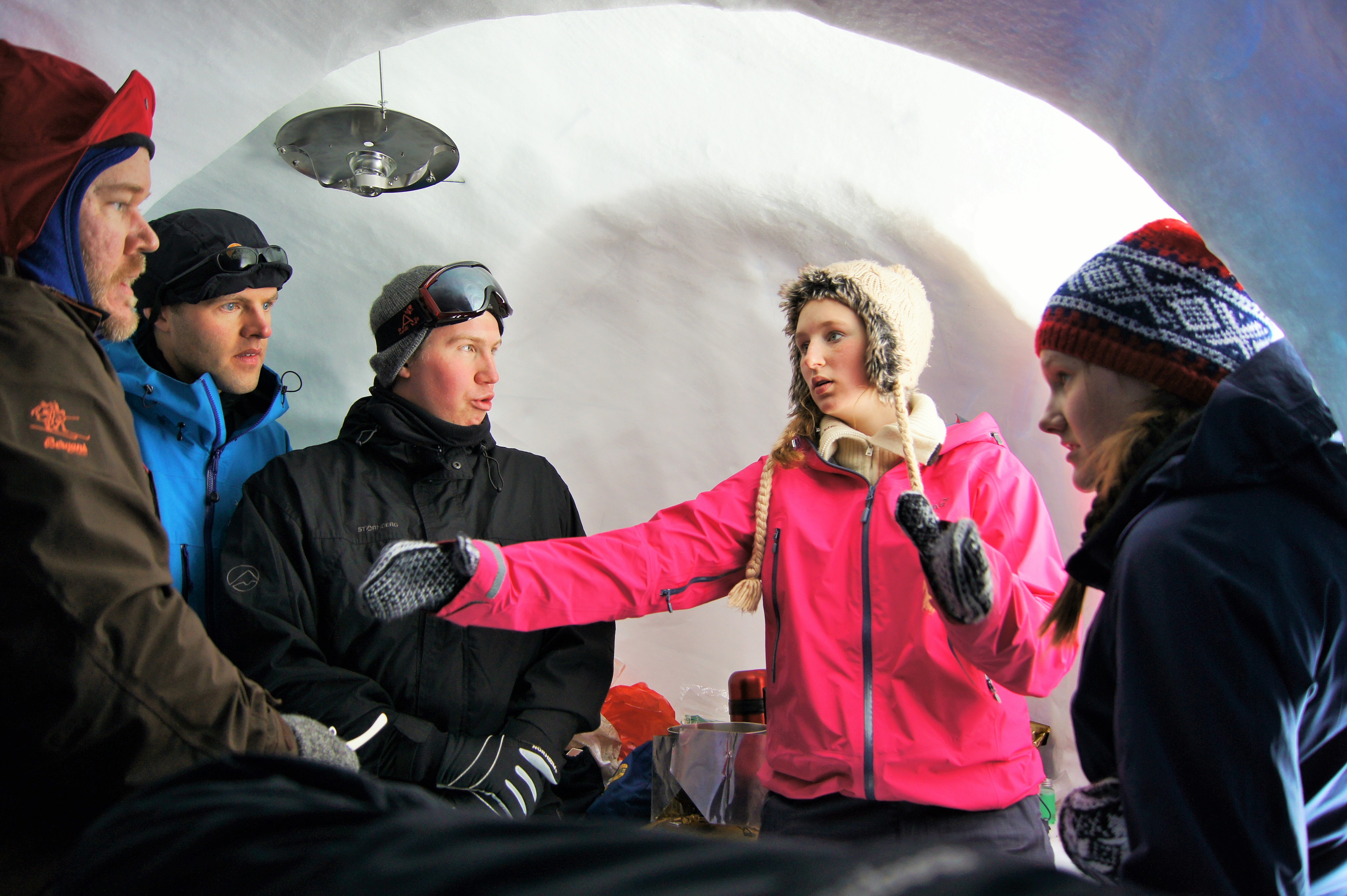
Finse is also a favoured location for learning how to build snow caves. The KFUK-KFUM Scouts in Bergen (pictured above) annually offer their youth members a course in building snow caves. Having the tools, knowledge and skills to build a snow cave may be what gets you out alive if you suddenly find yourself surprised by bad weather, lost or simply did not turn back in time.

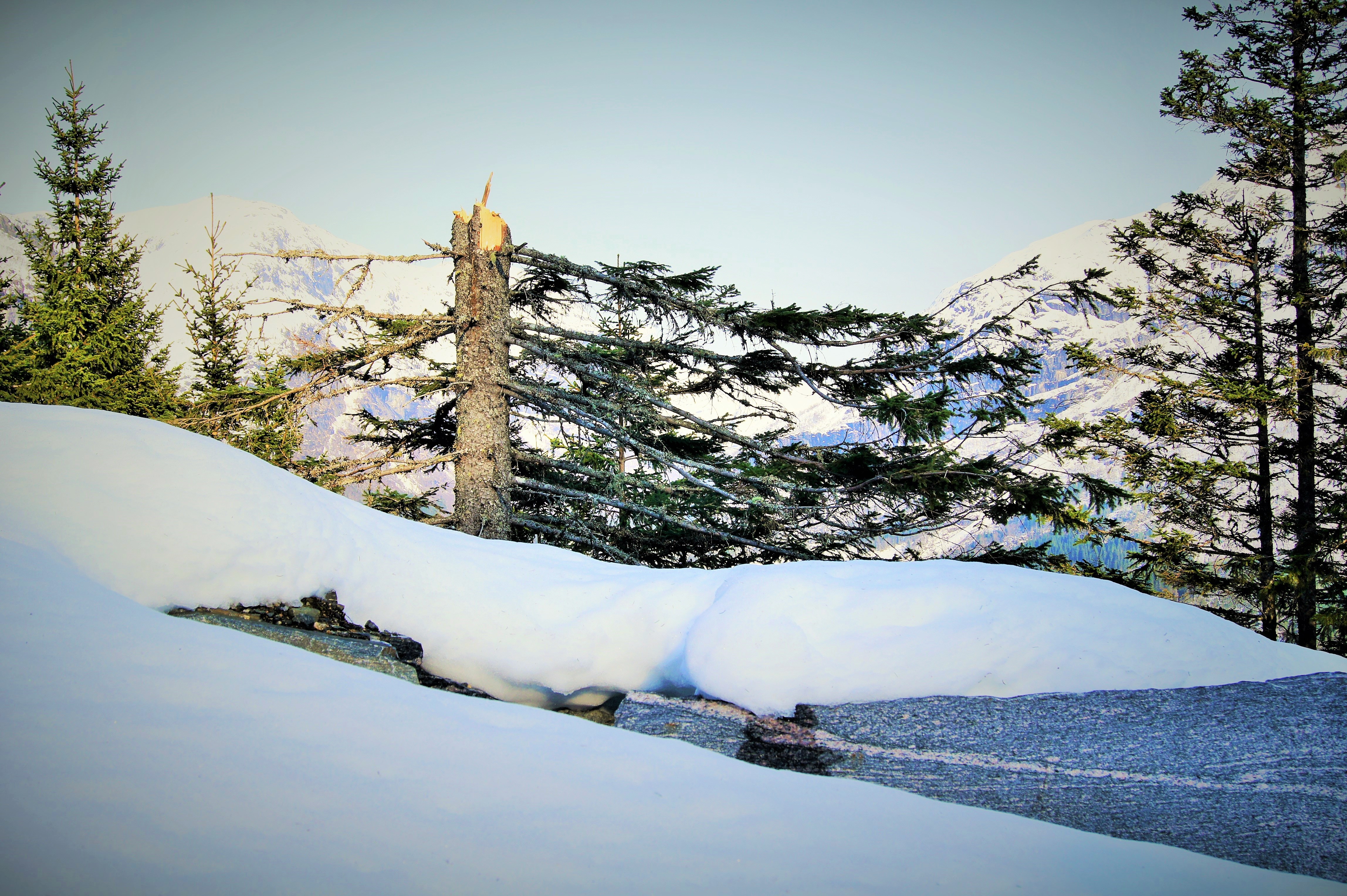
On winter days when the sky is so white that is seemingly merges into the ground, when snow and fog envelop any landmarks around you, and when there is no sunshine or moonlight to contour your white surroundings, you are at extra high risk of getting lost.

Learning how to build a snow cave may then be what saves you from leaving Earth and entering Heaven a little too soon.

Articles available at:

http://www.ba.no/nyheter/article7292984.ece

http://www.ba.no/nyheter/article7292975.ece

Photo credit: Britt Embry
Colours of Buddhism.

1v Tempel i kongens palass, thailand juli-august 2007 235    1v thailand juli-august 2007 210 (3)

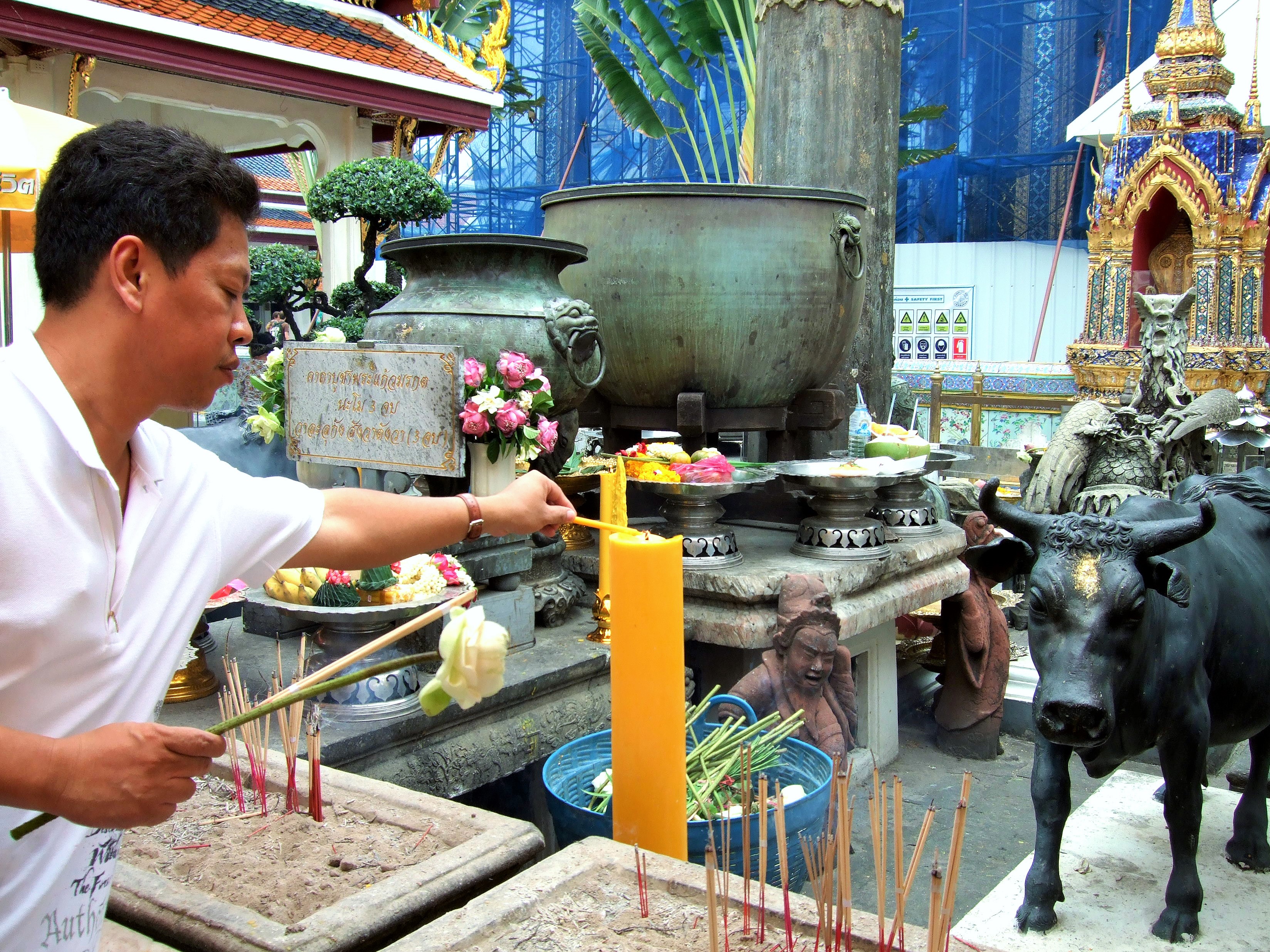
Bangkok, Thailand.

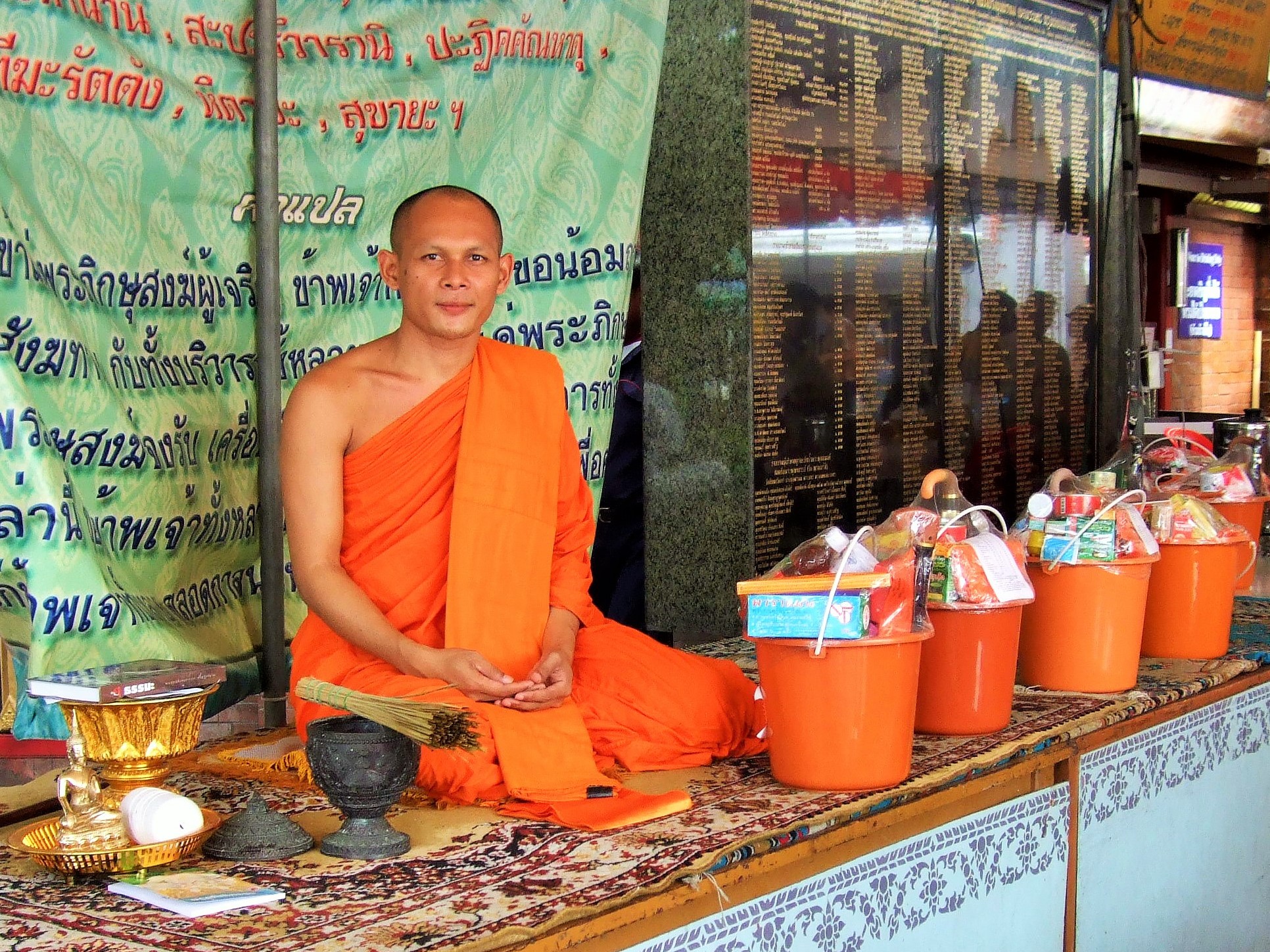
Colours remain significant in the everday practice of Buddhism. The most common Buddhist flag is made of the colours blue, yellow, red, white and orange. In some variations of this flag, the colour orange is replaced with maroon, green or pink.

Buddhist flagsmall1

BLUE symbolises UNIVERSAL COMPASSION for all beings.

YELLOW symbolises the MIDDLE WAY, which avoids extremes and brings balance and liberation.

RED symbolises the BLESSINGS that the practice of the Buddhas Teaching brings.

WHITE symbolises the PURITY of the Buddhas Teaching and the LIBERATION that it brings.

ORANGE symbolises the WISDOM of Buddhas Teaching.

Facts and flag credit: The Buddhist Council of Queensland

Photo credit: Britt Embry
Snakes’ Ambassador.

OLYMPUS DIGITAL CAMERA  OLYMPUS DIGITAL CAMERA

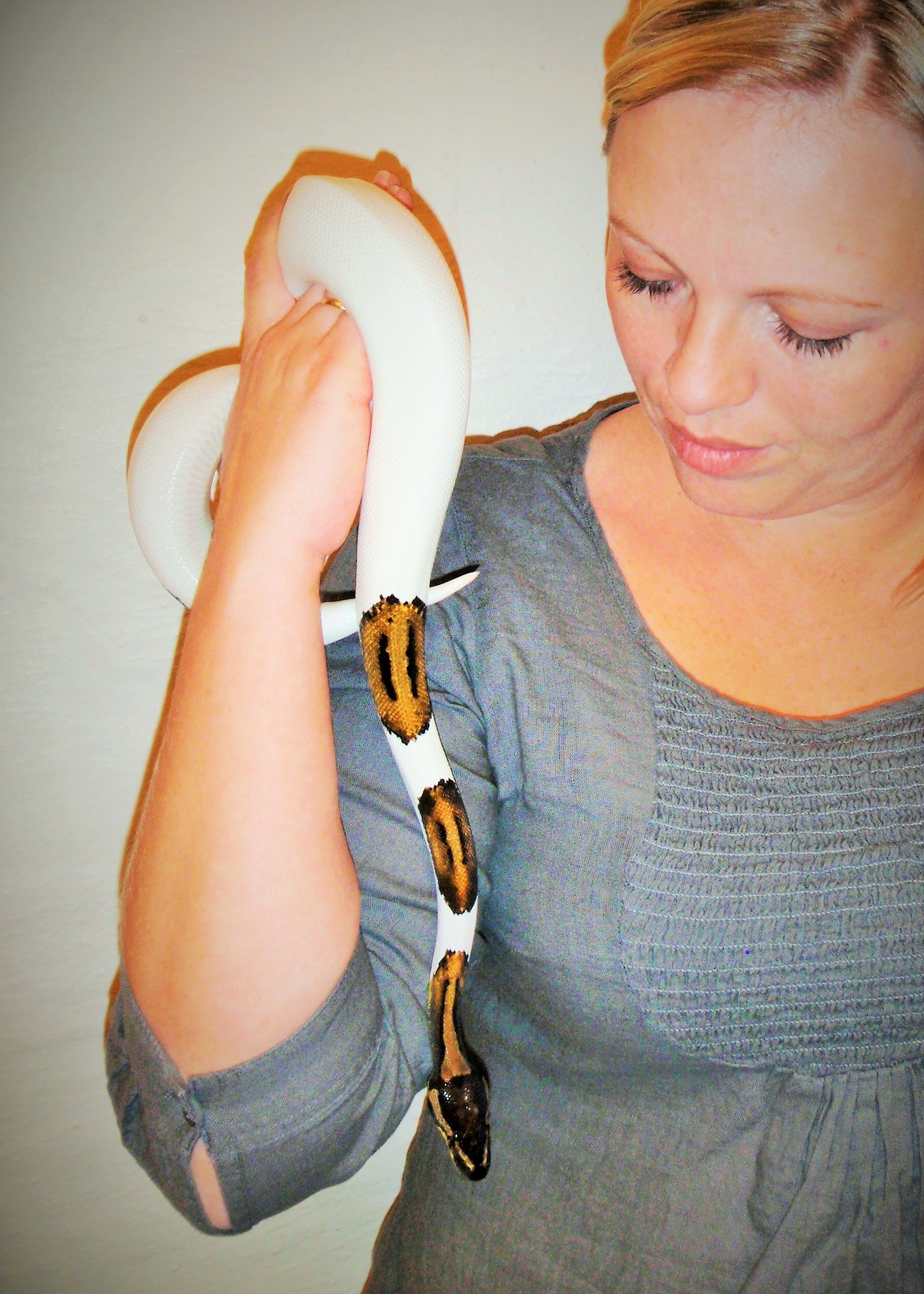
What does it take for many people to understand the value and importance of each species of mammal, bird, fish and reptile in nature, including the much demonised snake?

Animals in captivity may serve as ambassadors for their wild and threatened kin, provided they are properly taken care of with regards to living space, food and stimulance that will assure them a mentally and physically healthy life.

At the Oslo Reptile Park, many visitors learn for the first time that snakes are not slimy, that not all snakes can or wish to kill you, and that snakes ususally will not bite a human unless they are surprised or provoked. And did you know that snakes, like the ball python above, have individual personalities, just like humans do?

Snakes regulate the number of rodents, frogs, birds and other populous species that humans otherwise would have a very difficult time regulating without the snake – although introducing a non-indigenous species into a new environment may upset the existing balance and lead to mass-extinction among the native species.

Maintaining a snakes natural habitat and a healthy snake population is vital. And sometimes the only way we can understand the value and importance of something is if we can see, touch and feel it ourselves.

Photo credit: Britt Embry
A tragedy in Paris.

v en tragedie i paris 3563

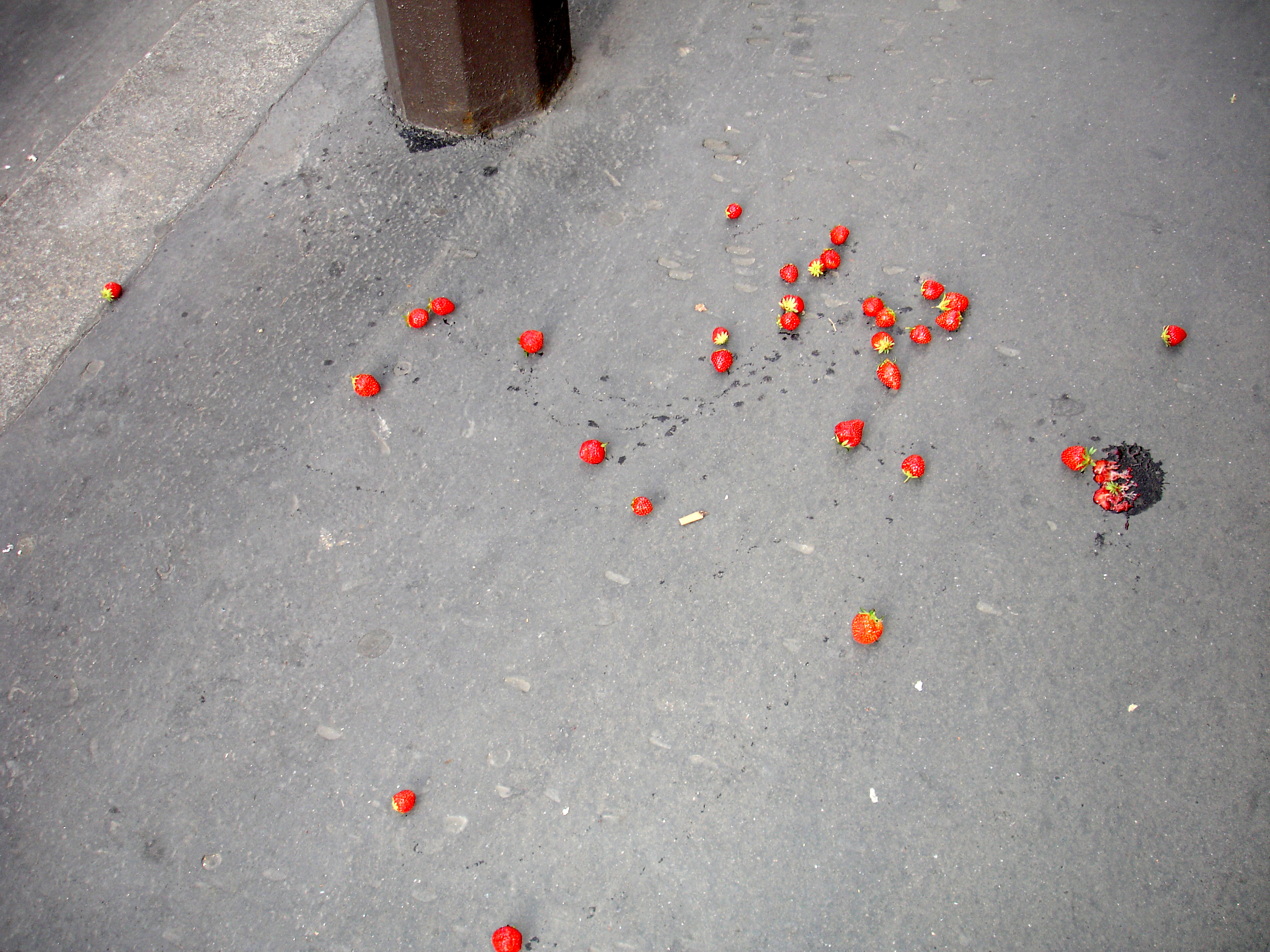
Strawberries, so vibrant and fresh, waiting in vain to be enjoyed, perhaps with a glass of Champagne, perhaps by two lovers in the City of Love. But was their tragic fate perchance the result of a tragic love, in which one wounded lover cast the beautiful, heart-shaped berries aside on the cold, hard pavement only to be stepped on and squashed like his or her heart had so most recently been? One can only picture the story.

Photo credit: Britt Embry